Perfect Days (2023) – 8/10 – Reflection on the daily mundane life
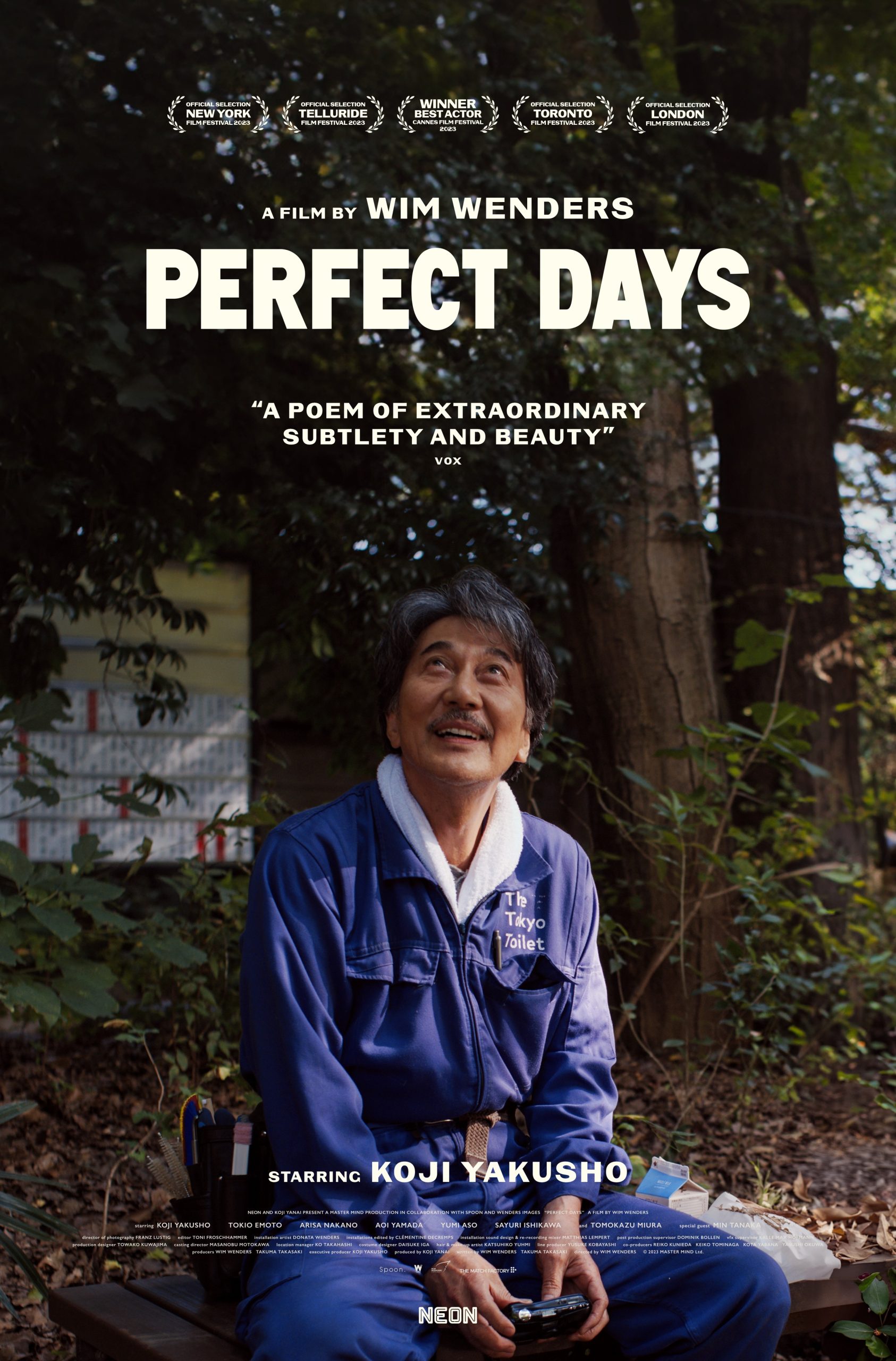
PERFECT DAYS is a Japanese drama that explores one middle-aged man’s life and his daily routine. Most people’s everyday lives are mundane, filled with countless, brief moments that mean nothing. It’s not possible for anyone to be happy 24/7/365, but you could experience modest amounts of satisfaction in those fleeting moments each day. Zen meditation and other meditations teach that a moment never repeats, so find gratitude within its uniqueness. This relaxing film does a wonderful job showing that philosophy in action. The present confines our realities, which means we should spend our time there rather than in the past or future. You’ll achieve peace and happiness if you absorb your surroundings and embrace yourself. You only have to stay even-keeled; don’t worry about things you can’t control or experience. Life follows the path you allow it to take. It resembles the Bruce Lee quote, where he says, “Empty your mind, be formless. Shapeless, like water. Now, water can flow or it can crash. Be water, my friend.” PERFECT DAYS further proves no work in life is too small when done with dedication, commitment, and gratitude. Often, people knock themselves for the work they do, but it’s unnecessary.
This movie follows Hirayama, a simple, light-spoken middle-aged man who works as a toilet cleaner in Tokyo. He moves through life in a steady daily routine, taking pride in cleaning toilets. Nobody ever thanks him or even looks his way, but he doesn’t allow that to stop him from his tasks. Behind that, he has several interests that he holds dear to his life, including classic Western music and reading classic Western novels by William Faulkner. I won’t say more about the story or Hirayama to prevent preconceived notions or needless judgment.
PERFECT DAYS is distinct from most films I’ve watched. The closest filming style I recall is neorealism, which attempts to portray real life. They did an amazing job by making it realistic and still creating a compelling story. The best parts were a simple script, a gorgeous setting in Tokyo with matching cinematography, subtle acting, a strong soundtrack of classic songs, and fine direction. This movie examines themes such as finding fulfillment, gratitude, kindness, self-compassion, and happiness in life. Hirayama’s easygoing personality and mannerisms allow these themes across with limited dialogue. The main issue I experienced was the lack of Hirayama’s history—you can find it online from the writer/director quotes, but not in the film. There’s repetition in the routine, but it’s methodical and thorough. The slow pace might distract people, especially if they enter expecting fast-paced action or a complex plot. Plenty is happening here with a story that causes you self-reflection, yet lacks in plot. Or character development or even multiple characters, for that matter. Don’t allow that to push you away.
Would I recommend this? Yes. This movie intentionally lacks action, plot, and dialogue because it’s supposed to be thought-provoking. It may sound boring, but it’ll make you reflect on your journey and the simplicity of life. People, in their constant hurry, often forget to pause and immerse themselves in the present. This movie is a gentle reminder to slow down and appreciate the present moment. You will find value in the mundane, dull moments and places if you look. My rating is 8/10.
*Any trivia facts were obtained from IMDB’s trivia page and plot/basic history/names information from Wiki