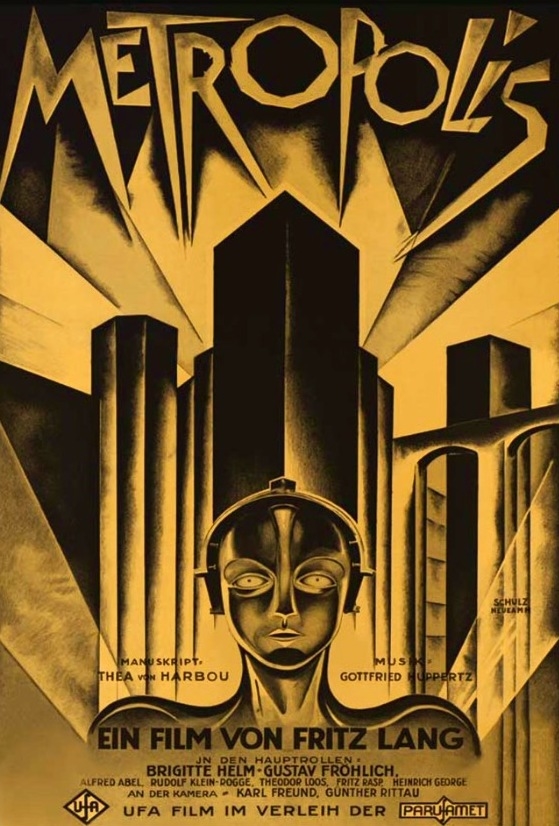
Metropolis (1927) – 8/10 – The Cost of a World Without Empathy
Overall
Metropolis is a sci-fi drama from Germany that inspired countless later works in cinema and literature. It holds the record as the first science fiction feature movie, which makes it special. Interestingly, it takes place in 2026, which motivated me to watch it this year. Class struggle and social discord weren’t new ideas in 1927, but they were new on the cinematic screen for the era. Once individuals gain power and wealth, letting go of said influence becomes impossible, as the structure they designed maintains their dominance. Over time, their power causes them to lose their values and humanity until they become emotionless machines. The workers also transform and become conditioned into obedient machines. In such a society that lacks empathy, everyone loses. These ideas remain relevant today and for generations to come.
Would I recommend this?
I don’t consider this a must-watch except for those interested in film history and the industry’s evolution. The script employed themes related to both communism and fascism, which is why it appealed to both groups. Controversy arose over whether the movie was anti-communist, anti-fascist, anti-capitalist, or a combination, as it could be interpreted in any of those ways (or none). It’s intriguing that both Nazi censors and American censors had a field day editing various aspects to fit their varied societies. There’s a lot of religious imagery, which may not suit everyone. I didn’t grasp all the symbolism because of the sheer volume of undertones and subtext. It was well ahead of its time in 1927. My rating is 8/10.
Plot (spoiler-free)
Rich tycoon Joh Fredersen rules over Metropolis from his high perch of skyscrapers. The workers (poor class) operate the machinery from underground in brutal conditions to sustain the opulent lifestyles of the elite. Joh’s son, Freder, lives a spoiled, naive life of luxury, unaware of the suffering. A series of events awakens him to the world he once took for granted. Freder decides he must push against his father’s system and change society for the welfare of both classes.
Interesting Tidbits
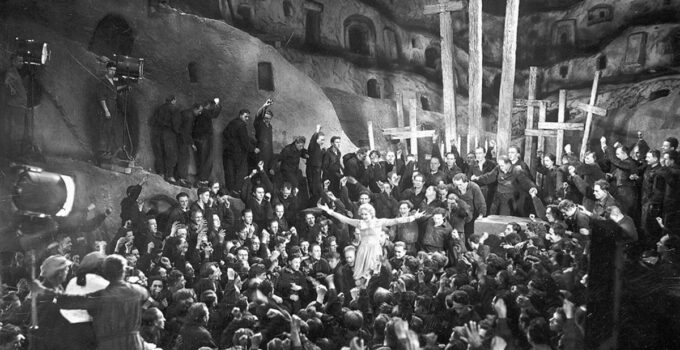
Metropolis, an ambitious project, ranked among the most expensive movies ever made at that point. Once you consider cinematic budgets in those days and inflation, it would be equivalent to a $200 million budget today. Director Fritz Lang, who was Jewish, learned with dismay that Hitler and his propaganda minister, Joseph Goebbels, loved Metropolis. Goebbels asked Lang to run the German film studio UFA and offered to make him an honorary Aryan (likely to do their bidding by making propaganda films). In response, Lang fled to Paris and eventually ended up in America, making movies for Hollywood. His wife, Thea von Harbou, the screenwriter of Metropolis, was an ardent Nazi supporter and remained in Germany. Over 25,000 extras were involved, most of whom were unemployed men forced to take any project they could during Germany’s post-WW1 hyperinflation of the 1920s. The original cut of Metropolis was lost since the 1950s, leaving a quarter missing. Over the decades, people discovered different versions, and in 2008, a film historian discovered an intact copy in Argentina. The copy led to a full restoration of the original. Metropolis later influenced the legendary Final Fantasy 7 (my favorite Final Fantasy game). Superman creators Jerry Siegel and Joe Shuster named Metropolis after the movie. The robots from Metropolis inspired C-3PO’s appearance. I can continue about other later works that it influenced, including The Matrix, but I think this is enough.
Technicals
Metropolis is a classic film that inspired generations. The best aspects were the acting, directing, grand sets, special effects (for 1927), visuals, and the cinematography. Studios spending this much money on a single movie was unheard of in 1927. But that’s what it required to create a grand art piece. To remain relevant a century later is a monumental feat that few works can claim! Nobody comprehended the possibilities that films were capable of before Metropolis. It transformed the entire industry and gave birth to what was possible on the big screen. A few issues keep me from giving this a higher score. While the symbols and themes are timeless, Metropolis hasn’t aged well. Some of the middle parts lost me, and the lack of dialogue didn’t help. The undertones and messages could benefit from dialogue. The project appears too ambitious for the 1920s. Perhaps they should have waited to make this, but that’s also its greatest strength: being ahead of its time.
*Obtained trivia facts from IMDb’s trivia page and plot/basic history/name information from Wiki

Full Metropolis is available for watching on YouTube (U.S. copyright ends 95 years after release):