Do Bigha Zamin (1953) – 8/10 – Poverty in Indian Neorealist Cinema
Overall
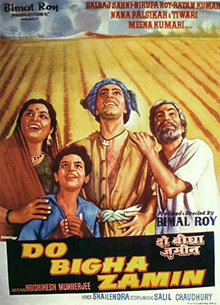
Do Bigha Zamin (Two Acres of Land) is an Indian drama about a poor family struggling with extreme poverty. Italian movie, The Bicycle Thieves, inspired this and employs Italian neorealism, the famous filmmaking style Bengali director Satyajit Ray would master a few years later. Director Bimal Roy sensationalizes in a way Ray didn’t, but his work is still compelling.
The themes include overcoming hardships, dignity, the exploitation of the poor, and a prejudiced system that doesn’t protect struggling farmers. This became a hit in India, where millions lived in similar poverty. Through the movie medium, it gave voice to those who had none. It resonated with audiences in other countries. This film won the International Prize at the 1954 Cannes Film Festival.
Would I recommend this?
Yes, I recommend this film. There’s much to admire here if black-and-white films and subtitles don’t bother you. While dated, the poor class struggles remain relevant today. The social story is straightforward enough to appreciate even with subtitles.
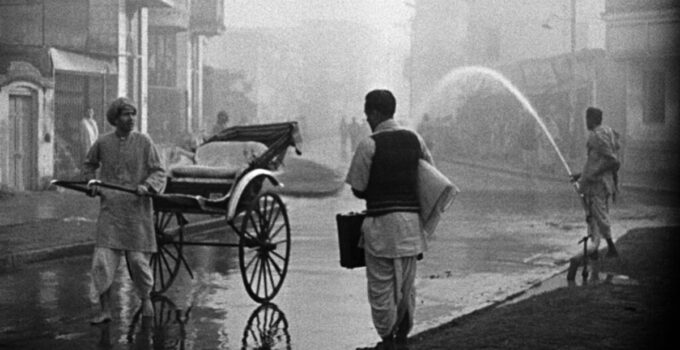
The timeless depiction of old Calcutta (now renamed Kolkata) is sensational. It’s unfortunate that a large percentage of the city (and India) still lives in such brutal conditions over seven decades later. While empathy and awareness prove necessary, they can only take you so far. The important takeaway is appreciating what you have because not everyone is as fortunate. My rating is 8/10.
Plot (spoiler-free)
A poor farmer, Shambhu, lives with his wife Parvati, their son, and his father on two acres of village farmland. He owes money to his greedy neighbor, Thakur, who wants to buy the land. Shambhu refuses, and Thakur demands repayment of his debt by morning. Shambhu doesn’t have the full sum, so Thakur takes it to court. The court grants Shambhu three months to repay the loan. Shambhu must raise the money by seeking work in Calcutta or lose the land.
Technicals
Do Bigha Zamin is a fitting film of the era that brings awareness of the issues facing millions in India and countless others around the world.
The best features are the script, acting, direction, and cinematography. I noticed many similarities to The Bicycle Thieves, but they’re their own stories overall. The writing is thoughtful and intelligent, even though it could use subtle restraint. For this filming style, character study and development become the focal point. Shambhu and Parvati possess dignity and morality, refusing to compromise their ethics even when illegal options are presented. I can’t applaud the cast’s performances enough because every role appears perfectly cast (except one). They allow you to understand the struggles and pain in their everyday lives. Roy deserves credit for his portrayal of the hardships between village poverty and urban life.
As for weaknesses, I’ll begin with the ending. I was not pleased with the way it ended, especially after the hour and 45 minutes of buildup.
Second, a few plotlines appeared to be present to draw sympathy and emotions from the viewers instead of seamlessly integrating into the neorealism style. Neorealism as a style should reflect the reality of the human condition, not sentimentality.
Third, Shambhu’s son, Kanhaiya, is central to the plot, and I noticed overacting. He didn’t talk or act his age sometimes, which seemed obvious. His expressions didn’t feel natural either. It’s possible they couldn’t find the right child actor for the role.
*Obtained trivia facts from IMDb’s trivia page and plot/basic history/name information from Wiki