Tokyo Story (1953) – 8/10 – The Struggles of Aging and Kinship
Overall
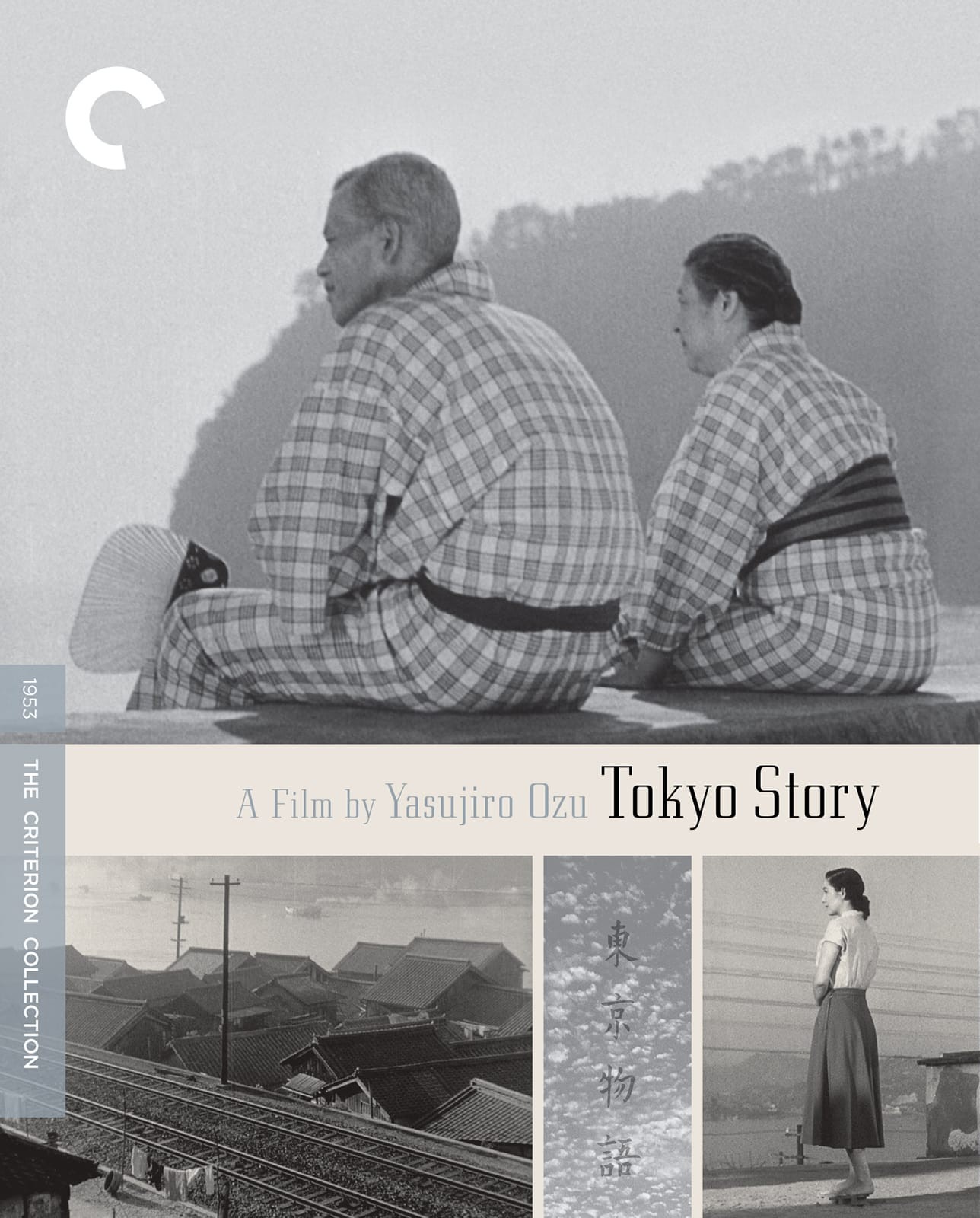
Tokyo Story is a Japanese drama on the schism that builds in old age with family, including one’s own children and grandchildren. Surprisingly, little has changed in modern society when children opt to leave their aged parents in retirement homes instead of caring for them. Selfishness leading adults to cut contact with their parents is a sad condition. Something is unacceptable when strangers may care more than one’s biological children. The cycle continues as their kids grow up to do the same.
Ultimately, life is short, and life’s gifts should be enjoyed with others. One who cares only for self is bound to lose. The themes include the struggles of aging, kinship, the exploitation of elders, the destruction of family traditions, selfishness, and the resulting hypocrisy. Director Yasujiro Ozu earned respect for his social dramas that stayed relevant decades after he died. Many regard him as one of the greatest directors in history.
Would I recommend this?
Yes, I recommend this film, but it may not be for everyone. First, it’s black-and-white, which many refuse to consider because “it’s old.” Second, the pacing is slow, so some might consider that “boring.” And it requires subtitles unless you know Japanese. While these reasons may not appeal to everyone, the aging struggles and selfishness in society remain pertinent. That shouldn’t change from one culture to the next. My rating is 8/10.
Plot (spoiler-free)
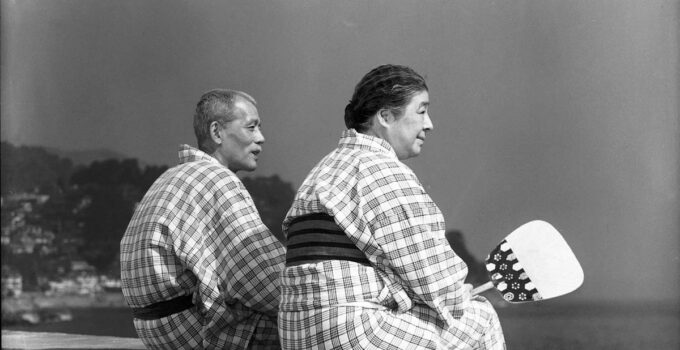
Two aging, estranged parents had limited contact with their children for years. They decide to visit them in Tokyo to reconnect and stay for a bit. Soon, they learn that each child they visit is too busy for them and sees them as a burden. Each kid attempts to send them away rather than spend time with them. Even though they’re settled with a spouse or kids of their own, they worry more about how much money their parents will cost than their dignity. The parents move from house to house, including getting separated at one point.
Interesting Tidbits
This work was inspired by the 1937 Hollywood film “Make Way for Tomorrow.” I have watched a later Indian adaptation called Baghban (2003), which was inspired by this. A fire destroyed the original negatives, so they used a duplicate negative typically used for archival purposes. Tokyo Story didn’t release in America until 1964, a year after Director Ozu died from throat cancer on his birthday. Ozu had a distinct filming style that required the camera to be placed low, near the floor, for a personal sense of real life. That required the sets to be constructed with ceilings, which was uncommon. His camera rarely moves within scenes, creating a unique style in filmmaking.
Technicals
Many consider Tokyo Story one of the greatest movies ever. I’m not sure if I could go that high, but it’s a technical gem. The script, direction, performances, cinematography, and camerawork stood out to me.
One thing the cinematography and slow pacing helped was characterization. Each character felt real and intimate, which is necessary for a character-driven tale. The acting leaves nothing to be desired. The children and their spouses are intentionally portrayed as unlikeable. Several characters fake their mannerisms, including expressions like smiles, which seemed deliberate. Various canal shots are remarkable with boats flowing through them. More such shots would have been great.
As for flaws, there’s a ton of small-talk about external characters and events to parse that means nothing to us. Filmmakers added those bits in an appeal to realism, but the resulting pacing slowed significantly. The slow pacing can be its own con. I struggled to stay focused through multiple scenes when the pace slowed to a slug. Often, I couldn’t tell which were the children and which were their spouses. That issue may be on my end, but it made the characters difficult to follow.
*Obtained trivia facts from IMDb’s trivia page and plot/basic history/name information from Wiki