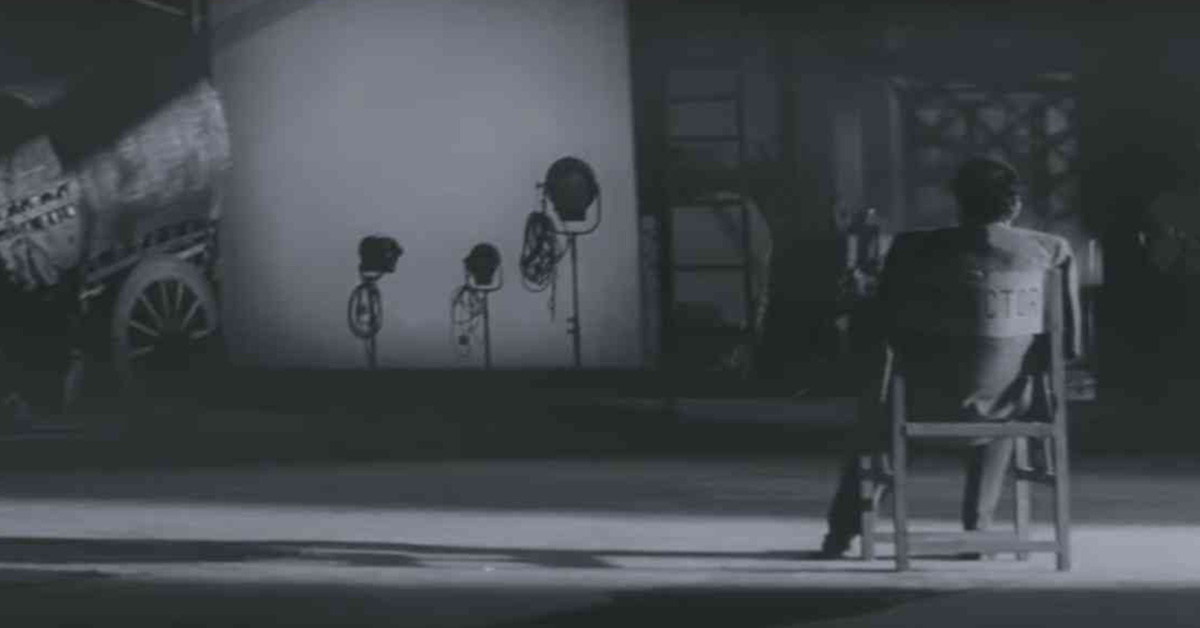
Kaagaz Ke Phool (1959) – aka Paper Flowers – 8/10 – Timeless film encapsulating stardom’s fame & fall
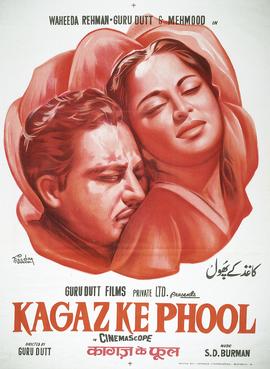
Overall
Kaagaz Ke Phool (aka Paper Flowers) is a tragic romance classic of Indian Cinema’s Golden Age, directed by Bollywood-revered Guru Dutt. This account was loosely inspired by Gyan Mukherjee, a director and mentor of Dutt, and in a twist of fate ends up portraying Dutt’s own journey. More on that later during the trivia section. Despite its flaws, the movie explores relevant issues as old as time and fame. The film and entertainment industry takes years to gain recognition, but being forgotten takes no time. A single mishap can shatter a reputation overnight—a tale as old as history. Life guarantees nothing, and nothing remains forever. The title is quite fitting. Like paper flowers, life may represent beauty, color, hope, and prosperity. However, these qualities are fleeting and fade in time. Stardom, likewise, can be delightful, vibrant, filled with hope, and immense triumph, but it’s not eternal. Beneath the glamor rests something artificial and hollow. It too meets a demise and an end. My takeaway is that one mustn’t chase fame and glamor because it eventually diminishes. If you attain success, don’t expect it to remain. Life giveth with one hand what it taketh with another. The poetic lyrics and grandiose concepts depicted here juxtapose that very notion. The second takeaway is that one mustn’t create art for the approval of others, even if they mean well. A hypocrisy exists regarding the finickiness of people, ideas, and society, and it becomes brightest in industries built around the arts and entertainment. They will arrive in droves and leave in droves. What must remain constant and honest are one’s values, intentions, and effort.
Would I recommend this?
Yes, it’s a sensational film with much to appreciate and ponder. If made today, it would look different (and colored!), but the underlying ideas wouldn’t change. Guru Dutt was a visionary ahead of his time, and perhaps people and society weren’t ready for such negative views. I question whether people still are, at least in India. The haunting atmosphere and sentimentality portrayed here make Kaagaz Ke Phool an instant classic. Hats off to those who made this. One can only imagine the potential works lost because of his untimely death. My rating is 8/10.
Plot (spoiler-free)
A director, Suresh Sinha (Guru Dutt), is at the top of his form. He has plenty of money, his name is beloved, and he revels in a stellar reputation and fame. His personality is magnetic, drawing others to work with him and for him. His personal life is in tatters—his marriage is falling apart, his in-laws mock his choice of filmmaking as a career, and they send his daughter to boarding school. One day, he lets a woman, Shanti (Waheeda Rehman), borrow his coat. She visits his studio to return the coat, where he spots her star potential. The pair achieved stardom after he cast her in his new film. Their loneliness also brings them together in a budding romance. Before the rumors, public gossip, and slanderous articles about their relationship hit the news. Their lives soon unravel further, with the public and society watching and judging.
Interesting tidbits
While most of Dutt’s works were hits, this became a major flop. Critics attacked this film, resulting in poor attendance. One mistake (or disconnect?) is all it takes. Dutt’s career as a movie director ended, never to direct again. Five years after the film’s failure, he committed suicide using sleeping pills and alcohol. What’s fascinating and ironic is how his personal story parallels that in Kaagaz Ke Phool, a film he directed and starred in. A respected director makes a film that fails to connect with audiences, and his career tanks, leading studios to abandon him. The grief from it and his failed relationship brings him to his death. Like Suresh Sinha, Dutt’s wife separated from him, and he took to alcohol. Another ironic twist is that his failed affair in real-life was with Waheeda Rehman, the star of Kaagaz Ke Phool, who he had discovered as well. As she rose to stardom, his era came to a close. Years later, after Dutt’s suicide, critics took another look at his works. They realized the criticism was unfounded, and an appreciation lifted Dutt to stardom posthumously. He made only eight films before his career ended, and people now view them differently than when he was alive. Kaagaz Ke Phool and Pyaasa (1957) both make all-time Bollywood movie lists and have global acclaim. This was India’s first wide-screen movie, and they shot it twice for wide-screen and standard formats.
Technicals
Kaagaz Ke Phool is a beautiful but tragic, ambitious movie. The best aspects were the direction, cinematography, acting, lyrics of the songs, S.D. Burman’s music composition, visuals, script, and the somber, poetic atmosphere. Few individuals can star in, direct, and produce their own films, and rarer still nowadays. Dutt managed all three here to (later) resounding success. It’s a testament to his talent, ingenuity, and expertise. I know only a few other such individuals offhand, including Charlie Chaplin, Orson Welles, and Woody Allen. Photography and cinematography are excellent, especially for that era. I noticed a few issues throughout. First, time skips occur in flashbacks, but the transitions don’t properly depict them as such. It occasionally left me perplexed. Second, the comedy subplot hasn’t aged well. I didn’t think it worked with the serious, gloomy atmosphere. I understand their intention to add light to a solemn story, but it didn’t fit. Finally, the editing could be tighter. Several scenes, including the comedy bits, should be cut because they contribute little to the story. Character development could have used more focus, which appeared lacking beyond the main character.
*Obtained trivia facts from IMDb’s trivia page and plot/basic history/name information from Wiki